
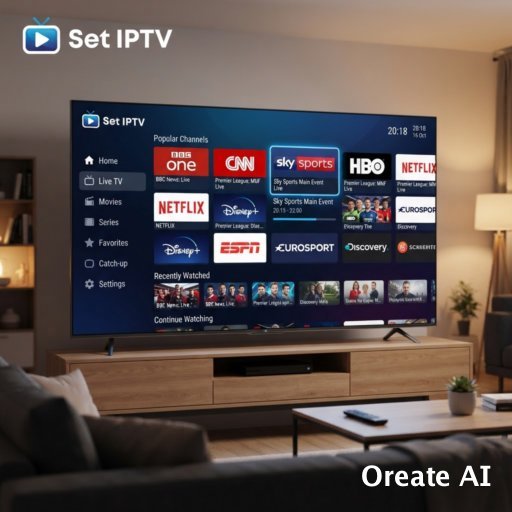
Introduction to IPTV
Internet Protocol Television (IPTV) represents a significant shift in the way television is delivered, transitioning from traditional delivery methods such as cable and satellite to a more modern, internet-based platform. Unlike conventional television services that rely on broadcast or satellite signals to deliver content, IPTV utilizes internet protocol networks to stream multimedia content directly to the end-users. This distinction not only enhances convenience but also allows for greater flexibility in viewing habits. PRICE
One of the primary advantages of selecting an IPTV subscription is the vast array of content options available to subscribers. Consumers can access a wide range of channels, including live television, on-demand video, and even exclusive programming not available through traditional services. Additionally, IPTV facilitates the use of modern devices such as smart TVs, smartphones, and tablets, enabling users to watch their favorite shows and movies virtually anywhere with an internet connection.
The growing popularity of IPTV services can be attributed to several factors. With the rise of high-speed internet availability and the decline of traditional cable subscriptions, consumers are increasingly looking for cost-effective alternatives that cater to their viewing preferences. IPTV providers often offer more affordable packages compared to traditional TV providers, as well as customizable viewing experiences tailored to the needs of individual users. Furthermore, the advent of technological advancements has made it possible for IPTV services to offer high-definition quality and an improved user interface that enriches the overall viewing experience.
In summary, IPTV offers a modern, flexible approach to television consumption that distinguishes itself from traditional methods. As consumers continue to seek alternatives that align with their preferences and lifestyles, IPTV subscription services are becoming an increasingly popular choice, reshaping the landscape of television entertainment.
Understanding IPTV Subscriptions
Internet Protocol Television (IPTV) subscriptions have gained tremendous popularity in recent years, driven by the demand for flexible and diverse viewing options. Different types of IPTV subscriptions cater to various viewer preferences, including live TV, on-demand content, and bundled packages.
The most common type, live TV subscriptions, provide access to real-time broadcasts of television channels, similar to traditional cable television. This option is ideal for viewers who wish to enjoy their favorite programs as they air. Typically, these subscriptions allow users to tune into multiple channels from various networks, ranging from news to sports to entertainment. When selecting a live TV subscription, factors such as channel variety, streaming quality, and reliability are essential.
On-demand content subscriptions, on the other hand, emphasize flexibility. These services enable viewers to choose from a vast library of shows, movies, documentaries, and series at their leisure. Popular among those with busy schedules, on-demand subscriptions often include exclusive content not available on linear television. Users should look for platforms that offer a wide range of titles and frequent updates to their content catalog to ensure they have access to fresh material.
Additionally, bundled IPTV packages combine live TV and on-demand content, providing a comprehensive viewing experience. These packages are particularly appealing for households with diverse viewing preferences, allowing all members to find something suitable. When evaluating bundled options, it’s crucial to assess the balance of live and on-demand offerings, the total number of channels, and the potential for customizable add-ons.
In summary, understanding the differences between various IPTV subscription types is vital for selecting the service that best meets individual viewing needs. Whether interested in live broadcasts, an extensive library of on-demand content, or an all-inclusive bundle, knowledge of these options will aid in making an informed decision. FAQ
Key Features of IPTV Services
When selecting an IPTV service, it is essential to evaluate certain key features that significantly influence the overall viewing experience. One of the primary aspects to consider is the channel selection. A robust channel lineup should include a diverse range of options, catering to various tastes, including entertainment, sports, news, and international programming. This variety ensures that subscribers have access to content that meets their needs and preferences.
Another critical feature is streaming quality, which typically ranges from Standard Definition (SD) to High Definition (HD) and 4K. The streaming quality directly affects the viewing experience, especially for users with large screens. Choosing an IPTV provider that offers superior streaming quality can make a noticeable difference in clarity and detail, enhancing the enjoyment of the content.
Device compatibility is also paramount. A reliable IPTV service should support various devices, including smart TVs, smartphones, tablets, and streaming devices like Amazon Fire Stick or Roku. This flexibility enables subscribers to enjoy content across multiple platforms, enhancing user convenience and accessibility.
Moreover, the user interface should be intuitive and user-friendly. An organized layout, easy navigation, and well-categorized content can significantly improve user experience. Users benefit from features like customizable playlists and search functionality, which can simplify the process of finding desired shows or movies.
Finally, customer support is a feature that should not be overlooked. A responsive and knowledgeable support team can assist subscribers with issues ranging from setup to troubleshooting, ensuring a smooth viewing experience. Having access to comprehensive customer support can make a significant difference when technical problems arise.
Choosing the Right IPTV Provider
Selecting the ideal IPTV provider requires careful consideration of various factors to ensure a satisfactory viewing experience. The first critical aspect to evaluate is the reliability of the service. A reputable provider should offer a stable connection with minimal downtime and buffering issues, enabling seamless viewing. Checking online forums and user experiences can help gauge the reliability of the service.
The next factor to consider is the provider’s reputation in the market. Established providers typically have a track record that demonstrates their reliability and customer satisfaction. Be sure to look for providers who have positive reviews from existing users, as well as any awards or recognitions they may have received within the IPTV industry. Reputable IPTV providers often maintain good customer support to address any issues that may arise.
Cost is another important factor when selecting an IPTV provider. It is essential to find a balance between affordability and the value offered. Some providers offer various subscription options, including monthly, quarterly, or annual plans. It is advisable to compare the pricing and services offered by different providers to find the one that best fits your budget.
Furthermore, content variety is a key aspect to consider. An ideal IPTV provider should offer a diverse range of channels, including live sports, movies, and international programming that caters to various interests. Ensure that the provider has the specific channels you wish to access, as this can significantly impact your overall satisfaction.
Lastly, when evaluating IPTV providers, reading reviews and ratings can provide valuable insights. Look for genuine user feedback, and consider verified providers known for their consistent quality and service. Taking the time to analyze these factors will lead to a more informed decision that aligns with your viewing preferences and needs. CONTACT US
Setting Up Your IPTV Subscription
Setting up your IPTV subscription involves a few key steps to ensure you can enjoy your favorite content seamlessly. The initial step is to purchase an IPTV subscription from a reputable provider. When choosing a service, it is important to look for one that offers a wide variety of channels, reliable customer support, and compatibility with the devices you own. Once you have made your selection, you will typically receive an activation link or a username and password via email.
Next, identify the device you plan to use for streaming. IPTV services can be accessed through smart TVs, Android boxes, Amazon Fire Stick, or even desktop computers. Depending on your device, the setup process may differ. For instance, on a smart TV, locate the app store and download the IPTV app recommended by your provider. Popular applications include Perfect Player, Kodi, and IPTV Smarters.
After installing the IPTV app, you will need to configure it. Open the application, and enter the details provided by your IPTV service. This usually includes the URL or m3u link, along with your login credentials. For some older devices or specific apps, you may also need to access the settings menu to adjust other playback options, such as enabling EPG (Electronic Program Guide) for easier navigation through channels.
If you are using an Android box or streaming device, the installation process mirrors that of a smart TV. Simply access the Play Store, download the appropriate IPTV app, and follow the same configuration instructions. It is also advisable to check for updates regularly, ensuring that you have the latest features and improvements.
After completing the installation and configuration, perform a quick test by browsing through channels to confirm everything is working as expected. If you experience any issues, refer to the troubleshooting guide provided by your IPTV service or contact customer support for assistance. Thank you
Troubleshooting Common IPTV Issues
As technology continues to evolve, users of Internet Protocol Television (IPTV) services may experience various issues during their viewing experience. Understanding how to troubleshoot these common IPTV problems can greatly enhance the media consumption experience. Some prevalent issues include buffering, connectivity problems, channel freezing, and poor video quality.
Buffering is one of the most frequent frustrations faced by IPTV users. This often occurs when the internet connection is insufficient to deliver a smooth stream. To resolve buffering issues, it is advisable to check your internet speed by running a speed test. An optimal speed of at least 10 Mbps is generally recommended for high-definition streaming. If your connection speed is lower than expected, consider upgrading your internet plan or switching to a wired ethernet connection instead of relying on Wi-Fi.
Connectivity problems can also disrupt the IPTV viewing experience. If the IPTV service is unresponsive, the first step is to verify your internet connection. Restarting your modem or router may help rectify connectivity issues. Furthermore, confirming that your IPTV subscription is active and that the server isn’t undergoing maintenance can also alleviate concerns. If the problem persists, ensuring that your device’s firmware is updated to the latest version can provide compatibility with the IPTV service.
Additionally, channel freezing can be caused by a range of issues including weak internet signals, server overload, or decoder malfunction. To troubleshoot this, inspect your hardware setup and ensure that your IPTV box or device is adequately ventilated and not overheating. Clearing the cache of the application used for streaming can also contribute to smoother playback. If freezing issues continue, contacting the IPTV service provider for support could reveal network issues on their end.
In summary, by understanding and addressing these common IPTV problems, users can significantly improve their viewing experience. Taking proactive steps can help minimize disruptions, ensuring that viewers enjoy high-quality content without interruptions.
Legal Considerations for IPTV Users
The rise of Internet Protocol Television (IPTV) has revolutionized the way viewers consume content, offering an array of programming options and flexibility. However, prospective IPTV users must be aware of the legal considerations involved in utilizing these services. The primary legal issue surrounding IPTV centers on copyright laws and the distribution of content. Unauthorized streaming of copyrighted material can lead to serious legal ramifications for both providers and users. Therefore, it is crucial for consumers to choose IPTV services that have proper licensing agreements with content providers.
When evaluating the legality of an IPTV provider, users should investigate whether the service holds requisite licenses for the channels and content offered. Many reputable IPTV providers adhere to licensing requirements, ensuring that subscribers are not infringing on copyright laws. Conversely, numerous illegitimate IPTV services operate without necessary agreements, making their users vulnerable to legal action. Thus, researching and selecting a provider with a solid reputation is critical in mitigating risks associated with copyright infringement.
Another aspect to consider is the jurisdiction in which the IPTV service operates. The legality of specific content varies globally, and what may be permissible in one country could be subject to restrictions in another. Users must ensure that their chosen service complies with local regulations regarding content distribution. This might involve checking whether the service is available and legally sanctioned in their region. Subscription to an IPTV service that has a transparent legal standing not only enhances compliance with local laws but also provides peace of mind when accessing content.
As a result, potential subscribers should remain vigilant in their research and due diligence. By choosing legally compliant IPTV services, individuals can enjoy a diverse range of programming without the threat of legal complications. https://wa.me/447916696718
The Future of IPTV Services
The landscape of Internet Protocol Television (IPTV) is evolving rapidly, driven by advancements in technology and changing viewer habits. As more consumers move away from traditional cable packages, IPTV services are poised to capture a significant share of the market. One of the most notable trends is the enhancement of streaming quality. With the rollout of 5G technology, viewers can expect faster broadband speeds and higher resolutions, such as 4K and even 8K streaming. These technological advancements will enable IPTV providers to offer sharper visuals and more immersive content, potentially transforming consumer experiences.
Moreover, the rise of smart TVs and connected devices has significantly influenced how users access content. With integrated apps for various IPTV subscription services, viewers can enjoy convenience and seamless transitions between live broadcasts and on-demand content. This user-friendly approach enhances viewer engagement and retention rates, leading IPTV providers to adopt more personalized content recommendations based on user behavior and preferences.
As the market becomes increasingly competitive, IPTV services are likely to diversify their offerings. Many operators are investing in exclusive content, such as original programming and partnerships with sports networks, to attract new subscribers. Furthermore, the integration of Artificial Intelligence (AI) in content delivery systems could bolster viewer experience by predicting preferences and optimizing streaming quality based on real-time feedback.
Subscription-based IPTV services also face shifts in viewer habits, particularly with younger generations favoring binge-watching and consuming content on-the-go. Consequently, providers are adapting by offering flexible subscription models, including ad-supported tiers or pay-per-view options, catering to different demographics and consumption patterns. Overall, the future of IPTV services appears promising, driven by technology and an evolving understanding of viewer preferences.

Conclusion and Recommendations
As we have explored throughout this guide, selecting the best IPTV subscription requires careful consideration of several factors that can greatly enhance your viewing experience. An efficient IPTV service offers a wide variety of channels, reliable streaming quality, and user-friendly features, all of which contribute to a satisfying entertainment option.
When evaluating different IPTV providers, it is essential to compare their channel offerings against your personal preferences and viewing habits. Look for services that offer not only local and international channels but also specialized content such as sports, movies, and documentaries. Additionally, the availability of features such as cloud DVR, multi-device compatibility, and user-friendly interfaces can significantly enhance your experience.
It’s also advisable to consider customer service when selecting an IPTV provider. A responsive customer support system ensures that any technical issues can be addressed promptly, ensuring a seamless experience. Furthermore, opt for providers that are transparent about their pricing structures and offer straightforward subscription plans without hidden fees.
Informed decision-making is crucial in the IPTV landscape, especially given the diverse range of services available. Take the time to read reviews, examine user feedback, and conduct thorough research to identify a provider that meets your needs. For those who prioritize quality and reliability in their entertainment options, the best IPTV subscription can provide a valuable alternative to traditional cable services.
In conclusion, by focusing on the aforementioned key features and practices, you can confidently select an IPTV service that aligns with your viewing desires, ensuring an enjoyable and uninterrupted entertainment experience.