

Introduction to IPTV
IPTV, or Internet Protocol Television, represents a significant advancement in the way television content is delivered and consumed. Unlike traditional broadcasting methods, which typically rely on satellite or cable transmission, IPTV utilizes internet protocol networks to stream content directly to viewers. This method allows users to receive television programming over high-speed internet connections, offering a more flexible and personalized viewing experience. PRICE
One of the key differentiators of IPTV from conventional television services is its reliance on broadband connections. With traditional television, viewers are often limited to predetermined schedules and a fixed selection of channels. In contrast, the set IPTV app enables users to choose from a broader range of content that can be accessed on demand. This feature not only empowers viewers to watch their favorite shows and movies at their convenience but also facilitates the integration of interactive features and additional services, such as video-on-demand and catch-up TV.
The growth of IPTV services has surged in recent years, propelled by the digital transformation of media consumption. Viewers are seeking more tailored entertainment options, which has led to a rise in the number of IPTV providers. These services often offer subscription-based packages that are more affordable compared to traditional cable and satellite services. Furthermore, the ability to install a set IPTV app on various devices, such as smartphones, tablets, smart TVs, and streaming media players, positions IPTV as an appealing alternative to conventional broadcasting.
Overall, IPTV’s potential to revolutionize the viewing experience is becoming increasingly evident. As technology continues to advance, the ways in which audiences engage with television content are likely to evolve further, making IPTV a pivotal component of the future of entertainment. FAQ
Understanding IPTV Apps
IPTV, or Internet Protocol Television, refers to the delivery of television content through internet protocol technology, allowing users to stream video directly over their internet connection. Unlike traditional cable or satellite television, IPTV apps provide the flexibility to watch live and recorded shows using a variety of devices, including smart TVs, tablets, and smartphones. This modern approach has transformed how viewers consume content, making it more accessible and convenient.
IPTV apps offer a range of functionalities to enhance user experience. They typically provide a user-friendly interface that allows users to navigate channels easily, access video-on-demand content, and even personalize their viewing preferences. By utilizing the set IPTV app, users can manage their subscriptions, favorite channels, and playback settings all in one place. Furthermore, many IPTV applications include features such as multi-device support, enabling users to switch seamlessly between various platforms.
The content available through IPTV apps varies widely and includes live television broadcasts, movies, series, sports events, and on-demand programming. This diversity caters to a broad spectrum of interests and helps users to tailor their entertainment options. Additionally, IPTV services may offer exclusive content not found on traditional television networks, further enhancing the appeal of using a set IPTV app.
As viewers increasingly gravitate toward internet-based media consumption, IPTV applications have gained popularity not only for their convenience but also for their capabilities in delivering high-quality, on-demand content. This trend has positioned IPTV technology as a significant player in the media landscape, promoting the ongoing evolution of how audiences engage with television programming.
Requirements for Setting Up IPTV
Setting up an IPTV app requires certain essentials to ensure a seamless streaming experience. First and foremost, a stable internet connection is crucial. A broadband connection with a minimum speed of 10 Mbps is often recommended for standard definition content, while high-definition (HD) and 4K content will necessitate higher bandwidth. Therefore, verifying your internet speed before proceeding with installation is pivotal to prevent buffering and other connectivity issues. CONTACT US
Next, users need to choose appropriate hardware to support the IPTV app. This can range from smart TVs integrated with relevant app capabilities to set-top boxes that connect to traditional TVs. Popular set-top boxes like Roku, Amazon Fire Stick, and Apple TV are known for their compatibility and ease of use, while mobile devices including smartphones and tablets can also serve as excellent platforms for receiving IPTV streams. It is imperative to ensure that the chosen hardware is compatible with the specific IPTV service you intend to use.
Additionally, the software aspect cannot be overlooked. Users must install an IPTV app compatible with their device, which may be available through official app stores like the Apple App Store or Google Play Store. Many IPTV services provide their proprietary applications, which often come with distinct features tailored for optimal user experience. Furthermore, always consider the security of the software by ensuring you are downloading applications from reputable sources to protect your personal data and enhance safety while streaming.
In summary, the process of setting up an IPTV app is not overly complicated, provided that the necessary hardware, internet connection, and software are properly considered and selected.
Choosing the Right IPTV Service Provider
When it comes to setting up an IPTV app, selecting the appropriate IPTV service provider is crucial for a satisfactory viewing experience. Several key criteria should guide your decision-making process.
First and foremost, content offerings are paramount. Providers differ significantly in terms of the channels and on-demand content they offer. Verify whether the IPTV service delivers your preferred live TV channels, movies, and series. Advanced features such as catch-up TV and video-on-demand can enhance the viewing experience, so consider providers that offer diverse content libraries.
Pricing is another important factor. Although cheaper plans may seem appealing, they often compromise on quality and content variety. Assess the pricing structure of various providers and what is included in the package. It is advisable to consider a balance between cost and quality rather than opting for the lowest price available.
User interface should not be overlooked. A smooth, intuitive interface makes navigating an IPTV app more enjoyable. Before committing, consider trying out a trial version of the service to determine if the interface aligns with your preferences, as a user-friendly experience can significantly impact overall satisfaction.
Customer support is critical, especially if you encounter issues. Research user feedback regarding response times and effectiveness of the support offered. Good customer support can make a significant difference should technical problems arise or if you require assistance with your account.
Lastly, compatibility with devices is essential. Ensure that the IPTV app is compatible with the devices you plan to use, whether it be smart TVs, mobile devices, or streaming boxes. Providers that support a wide range of devices will provide flexibility and convenience for users.
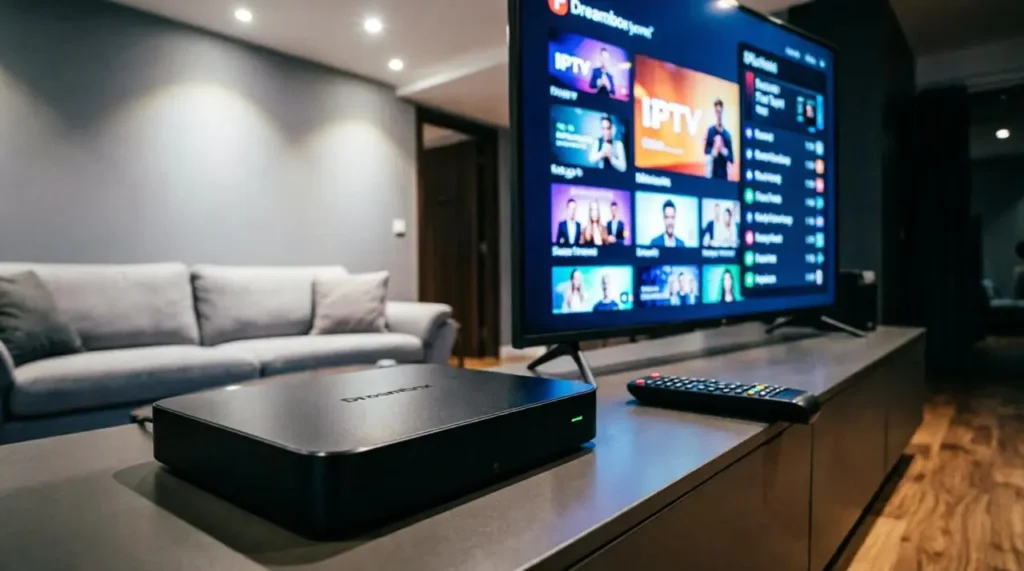
Installing the IPTV App
Installing an IPTV app varies depending on the device you are using. Below is a comprehensive guide outlining the installation process for smart TVs, Android and iOS devices, and set-top boxes, alongside some troubleshooting tips.
Smart TVs: Most smart TVs come equipped with their own app stores. To install an IPTV app, access your TV’s app store and search for the desired IPTV application. Once found, click on the download button to start the installation. After the installation is complete, you may need to input your subscription details to start streaming. In case the app is not available, you can try sideloading it using a USB drive, or checking if your TV supports APK installations.
Android Devices: For Android phones and tablets, head to the Google Play Store. Type the name of your IPTV app, select it from the search results, and tap on ‘Install.’ Once installed, launch the app and complete the setup process by entering the necessary credentials. If the app isn’t available in your region’s Play Store, you can download the APK file directly from trusted websites, but ensure to enable the installation from unknown sources in your device settings.
iOS Devices: On iOS, open the App Store and search for the IPTV app of your choice. Click ‘Get’ to download the app onto your device. Once installed, open the app and configure your account details. Be mindful that some apps might not be available for iOS due to regional restrictions. Using a VPN could help circumvent this, but ensure you comply with applicable laws.
Set-Top Boxes: For devices like Roku or Amazon Fire TV, visit their respective channel stores. Locate the IPTV app and follow the prompts to install. Once installed, you should see the app on your home screen. Similar to other devices, you may need to enter your IPTV subscription details to access the content. For troubleshooting, ensure your device software is up-to-date and restart your device if you encounter any issues.
Configuring the IPTV App
Configuring your recently installed IPTV app is an important step to ensure an optimal streaming experience. After installation, the first task is to input your subscription credentials. These are typically provided by your IPTV service provider and may include a username, password, and, in some instances, a portal URL. Open the IPTV app and navigate to the settings menu. You will usually find a section labeled “Account” or “Credentials.” Enter the information as provided, ensuring that there are no typographical errors, as this could prevent the app from functioning correctly.
Once your login credentials have been verified, you can move on to adjusting various settings within the app. Many IPTV apps offer options for optimizing video and audio quality, such as adjusting the resolution and selecting the appropriate codec. For a smoother experience, especially on slower internet connections, consider lowering the resolution. On the other hand, if you have a robust connection, you can set higher resolutions for a more vivid viewing experience.
In addition to performance settings, customization options also enhance user experience. You may find features that allow for rearranging channels, creating favorite lists, or adjusting parental controls. Customizing the interface can make navigation easier, allowing you to access your preferred content quickly. Furthermore, some IPTV apps offer the ability to change the theme or layout; this can provide a more personalized viewing environment. Make full use of the customization settings to tailor the IPTV app to your preferences, ensuring that each session is enjoyable. https://wa.me/message/DRDVXQBU2D6DA1
Using the IPTV App: Features and Navigation
IPTV apps provide a diverse array of features designed to enhance the viewing experience for users. One of the primary offerings is live television, which allows subscribers to access real-time broadcasts of their favorite channels. Whether it’s news, sports, or entertainment, the live TV options are often customizable, letting users tailor their viewing experience to their preferences. Furthermore, many IPTV apps also include an extensive library of on-demand content, which means viewers can catch up on popular shows and movies at their convenience, effectively expanding their entertainment choices beyond scheduled programming.
Navigation within an IPTV app is an essential aspect of user experience. A well-designed interface allows users to easily browse through content categories, search for specific titles, and access their favorite channels. Most IPTV apps have a user-friendly menu structure, which includes tabs for live TV, on-demand videos, settings, and user profiles. Familiarizing oneself with these navigational elements significantly enhances the ease of use of the app, ensuring that users can quickly locate desired content without frustration. Additionally, many IPTV applications implement intuitive features such as watchlists and recommendations, further simplifying the content discovery process.
To make the most of the features available in the IPTV app, users should explore all options presented in the menu. Engaging with the app’s various functionalities, such as customization settings and parental controls, can significantly personalize the viewing experience. Utilizing search features effectively can also facilitate access to new and relevant content. As you grow accustomed to your preferred IPTV app, these capabilities can transform the way you consume media, making it a more enjoyable and fulfilling experience overall.
Troubleshooting Common Issues
Users of an IPTV app may occasionally encounter various issues that can hinder their viewing experience. Understanding these common problems and their solutions can greatly enhance the overall usability of the app.
One prevalent issue is related to streaming quality. Users may experience buffering or low video resolution, which can be attributed to insufficient internet bandwidth. To resolve this, first ensure that the internet connection is stable and has adequate speed. A wired connection is often more reliable than Wi-Fi. Additionally, check other devices on the network to ensure they are not consuming substantial bandwidth during streaming. It may also be beneficial to lower the streaming quality settings directly within the IPTV app to accommodate lower bandwidth.
Another frequent concern is app responsiveness. Users may find that the IPTV app is sluggish or unresponsive, which can be due to various factors. First, try restarting the app and the device it is running on as this can clear temporary glitches. If issues persist, ensure that the app is updated to the latest version, as updates often contain performance improvements and bug fixes. Clearing cache data and unnecessary files on the device can also help improve app performance.
Connectivity issues can arise as well, particularly when there is a lack of connection to the IPTV server. Begin by checking your internet connection; if it’s functioning correctly, ensure that the IPTV subscription is active and the server details are correctly configured in the app settings. If problems still occur, consider reaching out to the IPTV service provider for support, as there may be server outages or account-related issues hindering connectivity. PRICE
Conclusion and Future of IPTV
As the world of television consumption continues to evolve, the importance of setting up an IPTV app becomes increasingly clear. With its ability to provide access to a wide array of content—including live TV, on-demand videos, and niche programming—IPTV is becoming a preferred choice for many viewers worldwide. The discussion in this blog post has highlighted the critical considerations involved in setting up an IPTV app, from reliable internet connections to the selection of appropriate devices and applications.
Looking ahead, the future of IPTV promises to be marked by several transformative trends. Enhanced user experiences are expected through the integration of advanced technologies such as artificial intelligence and machine learning, which can personalize content delivery and recommendations based on viewer preferences. Furthermore, interactivity is likely to become a significant aspect of IPTV services, providing users with the ability to engage more actively with the content they consume.
However, challenges remain on the horizon, including issues related to content rights, network scalability, and the potential for cybersecurity threats. As service providers continue to innovate their IPTV offerings, they will need to address these hurdles to sustain growth and meet consumer demands. Additionally, as more traditional television services face competition from on-demand and streaming platforms, the landscape of television consumption is set to change dramatically.
In summary, the path forward for IPTV looks promising, as advancements in technology and shifts in viewer preferences may further solidify its role in the entertainment industry. With careful consideration and ongoing development, setting up an IPTV app not only gives users greater control over their viewing experiences but also places them at the forefront of a rapidly changing media landscape. About Televizo IPTV – Premium IPTV Subscription Service