
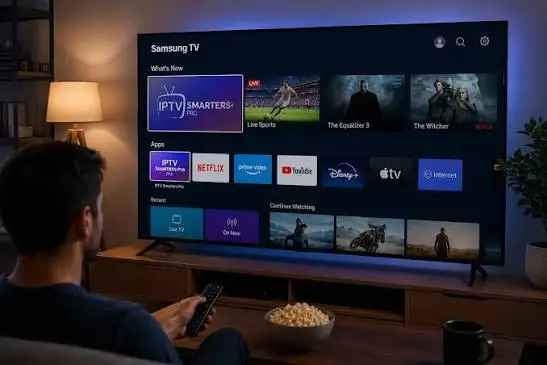
Introduction to IPTV
IPTV, or Internet Protocol Television, represents a significant shift in the way television content is delivered and consumed. Unlike traditional cable television, which transmits signals through physical cables, IPTV utilizes the internet to stream video content directly to users’ devices. This technology allows for greater flexibility and accessibility, as viewers can watch their favorite shows and movies on-demand from various devices, including smart TVs, computers, tablets, and smartphones. PRICE
The surge in popularity of IPTV can be attributed to its numerous benefits compared to conventional methods. One of the primary advantages is the enhanced viewing experience it offers. With IPTV, users have the ability to pause, rewind, or record live television, facilitating greater control over their watching habits. Additionally, IPTV providers often offer a broader range of channels and content options, giving subscribers access to various genres and international programming. This aspect has made it particularly appealing in 2026, as consumers seek more personalized and diverse entertainment.
In addition to convenience and variety, IPTV has brought affordability to the forefront of television consumption. Many IPTV services operate on subscription models that can be more cost-effective than traditional cable packages. As a result, users can enjoy significant savings while accessing high-quality content. Importantly, the scalability of IPTV systems means that they can effectively cater to both small households and larger audiences without compromising service quality.
To better understand IPTV, it is vital to familiarize oneself with key terminologies. Terms such as “video on demand” (VOD), “live streaming,” and “set-top box” frequently appear in discussions about IPTV. VOD refers to the ability to watch content anytime, while live streaming denotes the real-time broadcasting of shows. Set-top boxes are devices that connect to the television and facilitate the streaming process. Together, these terms encapsulate the essence of IPTV and its distinctiveness in the contemporary media landscape. CONTACT US
Required Equipment for IPTV
Setting up IPTV requires specific equipment to ensure a seamless streaming experience. The primary device needed is a compatible television. Most modern smart TVs already have built-in support for IPTV applications, allowing users to directly download the necessary streaming apps. However, if your TV lacks this capability, streaming boxes such as Roku, Amazon Fire Stick, or Google Chromecast serve as effective alternatives. These devices connect to your TV via HDMI and enable easy access to a plethora of IPTV services.
In addition to a television or streaming box, an IPTV set-top box can be utilized. These boxes often provide advanced features like electronic program guides (EPG) and PVR functionalities, enabling users to record live television. Brands such as MAG, Dreamlink, and Formuler are popular choices in the IPTV set-top box market. Before opting for one, it’s crucial to verify that it is compatible with your selected IPTV provider, as not all set-top boxes support every service.
Furthermore, a stable and fast internet connection is vital for optimal IPTV performance. A minimum speed of 10 Mbps is generally recommended for standard definition streaming, while high definition (HD) content may require up to 25 Mbps. It’s best to use a wired connection for reliability, though Wi-Fi can suffice if the signal strength is strong. Lastly, you will need quality HDMI cables to connect devices to your TV while ensuring minimal signal loss. Investing in good cables can further enhance playback quality.
In summary, essential equipment for an IPTV setup includes a smart TV or a compatible streaming box, an IPTV set-top box if desired, a robust internet connection, and HDMI cables to link the devices effectively. Having the right tools in place will help facilitate an enjoyable viewing experience without interruptions. Blogs
Choosing an IPTV Service Provider
Selecting the right IPTV service provider is a crucial step in optimizing your viewing experience. With a wide variety of options available, it’s essential to assess several factors to ensure you choose a service that aligns with your preferences and requirements.
Firstly, consider the channel offerings of the IPTV provider. Different services cater to various audiences, so it is vital to review the channels included in their packages. If you are particularly interested in premium channels, sports networks, or specific regional content, ensure that the provider includes these options. In addition to this, examining the quality of the channels, including HD and 4K offerings, also plays a significant role in your overall satisfaction.
Pricing plans are another critical factor to consider. IPTV services usually offer a range of subscription options, from monthly to annual plans. It is wise to compare these pricing structures among different providers and scrutinize what each plan includes. Some services may provide a trial period, allowing you to test their offerings before fully committing financially.
Reliability is a key consideration in IPTV service providers. Look for user reviews and feedback regarding downtime or buffering issues. A reputable provider should boast minimal interruptions and offer stable streaming. Additionally, good customer support is vital. Ensure that the provider offers multiple ways to get in touch, such as live chat, email, or phone support, in case you encounter issues while using their service.
Lastly, compatibility with your devices should not be overlooked. Confirm that the IPTV service is compatible with the devices you intend to use, whether it be smart TVs, tablets, or streaming sticks. Popular IPTV providers in 2026 such as Hulu + Live TV, YouTube TV, and Sling TV have garnered positive feedback for their service offerings, which may serve as a good starting point in your selection process.
Setting Up Your IPTV Device
Setting up your IPTV device can be a straightforward process if you follow the necessary steps carefully. The initial phase involves connecting the IPTV device to your television. Most IPTV devices come with HDMI cables, which you should use for the best quality. Begin by turning off your TV and connecting one end of the HDMI cable to the IPTV device and the other end to an available HDMI port on your TV. Once connected, turn on your television and switch to the corresponding HDMI input.
Next, you will need to establish a connection to the internet. Whether you opt for a wired or wireless connection will depend on your home setup and preferences. For a wired connection, find an Ethernet cable, connect one end to the IPTV device and the other to your router. This method generally offers more reliable performance. On the other hand, if you prefer a wireless setup, ensure that your IPTV device is Wi-Fi enabled. Navigate to the device’s settings menu using the remote control, select the network settings option, and choose your home Wi-Fi network. Here, you will enter the password to establish the connection.
Once your IPTV device is connected to the TV and the internet, the next step involves preparing the device for software installation. Most IPTV devices will require specific software or applications to access content. Follow the on-screen instructions to download and install the necessary applications directly from the device’s app store or using alternative methods like sideloading if applicable. After the installations are complete, you will be prompted to enter your IPTV subscription details, which typically include a username and password provided by your IPTV service provider. About Televizo IPTV – Premium IPTV Subscription Service
Installing IPTV Applications
In order to effectively utilize IPTV services, one must first install suitable applications tailored for streaming content. Several applications are popular within the IPTV community, including Kodi, VLC, and various proprietary apps provided by service providers. Each of these applications offers unique features that enhance the viewing experience.
To begin with, Kodi is an open-source media center that allows users to stream IPTV content and organize their media in one place. To install Kodi, navigate to the official Kodi website and select the version compatible with your device’s operating system. Installation is typically straightforward: download the installer and follow the on-screen instructions. Once installed, users can enhance functionality by adding IPTV add-ons, which can be easily configured within the app.
Another popular option for IPTV streaming is VLC Media Player. VLC is not only a comprehensive media player but also supports IPTV protocols. To install VLC, visit the official VLC website and download the version appropriate for your device—available on Windows, macOS, and Linux. After installation, open the application, go to the Media menu, and select ‘Open Network Stream.’ Here, you can input the URL of your IPTV stream to begin viewing.
Proprietary apps, often offered directly by IPTV service providers, can also be installed on various devices, such as smart TVs and mobile devices. To install such an app, access the device’s app store—be it the Amazon App Store, Google Play Store, or Apple App Store. Search for the specific app provided by your IPTV service and follow the installation prompts. After installation, input the necessary account details to access your service.
Overall, the installation of IPTV applications across different platforms is generally user-friendly, allowing new users to enjoy their favorite content with minimal hassle. By leveraging these applications, one can easily access and organize a wide range of IPTV channels and media.
Configuring IPTV Settings
To effectively use your IPTV service, it is imperative to configure the settings within your IPTV application accurately. This guide will assist you in entering subscription details, adjusting video quality, and configuring parental controls where applicable.
Upon launching the IPTV application, the first step typically involves entering your subscription details. This may include your username, password, and the server URL provided by your IPTV service provider. Ensure that all the information is entered correctly to establish a successful connection. If these details are incorrect, the application may fail to load content. After entering your subscription details, navigate to the device’s settings to confirm that the software is up to date. Keeping the application updated is crucial for optimal performance and accessibility to new features.
Next, you have the option to adjust the video quality settings. Most IPTV applications allow users to select their preferred streaming resolution, which can range from standard definition (SD) to high definition (HD) and even ultra-high definition (UHD). Higher video qualities provide a better viewing experience but require a more robust internet connection. It is advisable to conduct a speed test to determine the suitable quality setting without causing interruptions or buffering.
If your IPTV service offers content suitable for family viewing, configuring parental controls becomes essential. Navigate to the settings menu to access this feature. You may need to set a PIN code to restrict access to certain channels or programs. By setting up these controls, you ensure that inappropriate content is not accessible to younger viewers, making the entertainment experience safe for all family members.
In conclusion, proper configuration of your IPTV settings is vital for maximizing your viewing experience. By accurately entering subscription details, adjusting video quality, and utilizing parental controls, users can enjoy seamless streaming tailored to their preferences. https://wa.me/message/DRDVXQBU2D6DA1
Troubleshooting Common IPTV Issues
Setting up IPTV can sometimes lead to unexpected challenges, especially for beginners. Understanding how to troubleshoot common IPTV issues is crucial for a seamless viewing experience. One frequent problem users encounter is buffering. Buffering usually occurs when there is insufficient bandwidth or a poor connection. To resolve this issue, check your internet speed, ensuring it meets the recommended specifications for IPTV streaming. If your speed is adequate, consider using a wired Ethernet connection instead of Wi-Fi, as this can significantly improve and stabilize the connection.
Another common issue is app crashes, which may prevent users from accessing their IPTV content. Such crashes can stem from outdated applications or incorrect settings. To troubleshoot this, ensure that you are using the latest version of the IPTV app. Visit the app store on your device to check for updates. Additionally, review the app’s settings to confirm that everything is configured correctly and that no restrictions are set that might disrupt performance.
Connection issues can also hinder the overall experience of using IPTV. These issues often arise if the IPTV service is down or if there are problems with the internet service provider (ISP). To address connection difficulties, first, troubleshoot your home network by rebooting your router and checking for outages. If the problem persists, it may be wise to contact your ISP to ensure there are no service disruptions affecting your connectivity.
In some cases, incompatible devices may also lead to difficulties in accessing IPTV services. Make sure your device meets the technical requirements necessary for running the IPTV application. If you continue to encounter problems despite following these troubleshooting steps, consider reaching out to your IPTV provider’s support team for further assistance.

Enhancing Your IPTV Experience
Improving your IPTV viewing experience can significantly increase your enjoyment and satisfaction. One way to do this is by utilizing a Virtual Private Network (VPN). Employing a VPN can provide numerous advantages, including better access to content that may be geo-restricted in your area. By masking your IP address, a VPN allows you to bypass censorship and enjoy a broader range of channels and programs, thereby enhancing your IPTV experience.
Integrating your IPTV service with a home theater system can also elevate your experience. Using high-definition audio and video equipment helps create an immersive viewing environment, making your favorite shows and movies more enjoyable. Consider pairing your IPTV with a compatible sound system or projector to enhance both audio and visual aspects of your entertainment.
Another crucial component is organizing your channel list effectively. A well-structured channel lineup not only makes navigation easier but also enhances overall enjoyment. Many IPTV applications offer features that allow users to customize channel lists, facilitating quicker access to preferred content. Prioritize frequently watched channels or create categories for better organization.
Moreover, exploring the additional features available within various IPTV applications can add to your viewing experience. Many IPTV services come with advanced functionalities such as cloud DVR, catch-up TV, and the ability to pause or rewind live broadcasts. Familiarize yourself with these tools, as they can provide greater control over what and when you watch, thus enhancing your overall IPTV experience.
Conclusion and Future of IPTV
In recent years, Internet Protocol Television (IPTV) has emerged as a revolutionary technology, poised to reshape the way audiences consume media. This guide has covered the fundamental aspects of setting up IPTV, including the required hardware, software, and the step-by-step process to ensure a seamless streaming experience. By offering a diverse range of channels and content, IPTV presents itself not only as a competitor to traditional television but as a modern entertainment solution tailored to the preferences of today’s digital consumers.
Looking ahead, the future of IPTV appears promising, marked by continuous advancements in technology. With the growing trend towards on-demand content consumption, IPTV providers are enhancing their offerings to include more user-friendly interfaces, improved quality of service, and better personalization features. Innovations such as Artificial Intelligence (AI) are enabling IPTV services to deliver tailored content recommendations, making it easier for users to discover new movies and shows that align with their interests.
Moreover, the rise of 5G technology is set to propel IPTV further into the mainstream, allowing for faster streaming and more reliable connections. As broadband internet becomes increasingly accessible and affordable worldwide, the global IPTV market is expected to expand significantly. This growth will enable content providers to invest in more original programming and diverse content, further enriching the viewing experience for subscribers.
In light of these developments, exploring IPTV as a modern entertainment option is both timely and advantageous. By embracing this flexible and innovative service, users can adapt to the changing landscape of media consumption, ensuring they remain engaged with the content they love. The IPTV sector is indeed one to watch as it continues to evolve and influence the future of television and entertainment. FAQ