

Understanding IPTV: What Is It and How Does It Work?
Internet Protocol Television, commonly referred to as IPTV, represents a significant shift in how television content is delivered and consumed. Unlike traditional television services such as cable and satellite, which transmit signals through radio waves or physical cables, IPTV utilizes internet protocols to stream content directly to users’ devices. This technological advancement enables a more flexible and interactive viewing experience. PRICE
IPTV works by converting television programs and content into digital packets, which are then sent over the internet. Users can access this content via compatible devices, such as smart TVs, computers, tablets, and smartphones. The core concept behind IPTV revolves around the use of internet connectivity, allowing viewers to receive a variety of programming without the constraints of conventional broadcasting methods.
One of the primary advantages of IPTV is its extensive range of available channels. Viewers can choose from numerous subscription packages that cater to various interests, allowing for a personalized viewing experience. Additionally, IPTV services often include features such as video on demand (VOD), live TV, and time-shifted content, enabling audiences to watch programs at their convenience. This flexibility is increasingly appealing in today’s fast-paced world.
Furthermore, IPTV can support interactive features that enhance user engagement, such as program guides, integrated social media interactions, and the ability to record shows directly onto the device. As the demand for more tailored viewing options continues to rise, IPTV is poised to become an essential component of the overall media landscape.
In summary, IPTV stands as a modernized alternative to traditional television services, combining the benefits of internet technology with multimedia content delivery. Its innovative approach not only changes how audiences consume content but also enhances their overall viewing experience. CONTACT US
Benefits of Using IPTV in the UK
Internet Protocol Television (IPTV) has revolutionized the way viewers in the United Kingdom consume television content. One of the foremost benefits of IPTV is its cost efficiency compared to traditional television services. Many providers offer competitive subscription packages that are often significantly cheaper than conventional cable or satellite TV, allowing customers to enjoy a wide array of channels without straining their budgets.
In addition to cost savings, IPTV provides users with access to a broader range of channels, including numerous international options. Enthusiasts of global content can benefit from an extensive selection of channels that may not be available through mainstream broadcasting services. This opens up opportunities for viewers to explore diverse cultures, languages, and entertainment options, making it an appealing choice for households with varied viewing preferences.
Another significant advantage of IPTV is the incorporation of advanced features such as catch-up TV and video on demand. These features empower viewers to watch shows at their convenience, eliminating the constraints of a fixed broadcast schedule. Catch-up TV allows users to revisit programs they may have missed, while video on demand offers a library of content that can be accessed at any time, ensuring a customizable viewing experience.
Furthermore, IPTV allows for personalization features, enabling users to tailor their viewing experiences according to individual preferences. Many IPTV services offer options for creating personalized channel lists, recommending content based on viewing habits, and even interactive features that enhance viewer engagement. This level of customization is often not available with traditional television services, making IPTV an attractive option for viewers who seek flexibility and control over their entertainment choices.
Choosing the Right IPTV Service Provider
When it comes to setting up IPTV (Internet Protocol Television) in the United Kingdom, selecting the right service provider is crucial. With numerous options available, consumers must evaluate several criteria to find the service that best meets their needs. Channel selection is paramount; prospective customers should consider the range of channels offered by each provider. Some may focus on popular entertainment networks, while others might provide specialized content like sports or international programming.
Another essential criterion is streaming quality. Service providers often vary in the resolution and buffering performance of their streams. High-definition quality is becoming a standard expectation, and consumers should check if a provider supports 4K or HD streaming, as well as the reliability of their bandwidth during peak usage times.
Customer support also plays a significant role in the overall experience. Potential subscribers should investigate the level of support available, including response times and the variety of contact methods—such as live chat, email, or telephone assistance. Additionally, reading customer reviews can provide insights into the reliability and responsiveness of the provider.
Subscription costs are another critical factor to consider. Pricing can vary widely among IPTV providers, with some offering competitive packages, while others may charge premium prices for exclusive content. Consumers should not only compare base prices but also look for hidden fees that may apply for additional channels or features.
Ultimately, by carefully evaluating these factors—channel variety, streaming quality, customer support, and subscription costs—consumers can make an informed decision regarding which IPTV service provider is the best fit for their viewing preferences and budget. Comparing popular providers like Sky, Virgin Media, and BT can further clarify their respective strengths and weaknesses, enabling a more tailored choice. Blogs
Essential Equipment for IPTV Setup
To successfully set up IPTV (Internet Protocol Television) in the United Kingdom, certain equipment is essential for ensuring a seamless streaming experience. This includes compatible devices that can support IPTV services and a robust internet connection.
One of the primary devices needed for IPTV is a Smart TV, which typically has built-in applications for streaming services. These televisions come equipped with internet connectivity options, allowing them to access various IPTV platforms directly. Additionally, if your television isn’t a Smart TV, an IPTV box is an excellent alternative. These devices, such as the MAG box or NVIDIA Shield, are dedicated to streaming IPTV channels and often come with user-friendly interfaces.
Streaming devices like Amazon Firestick or Roku also play a pivotal role in an IPTV setup. They connect to your television’s HDMI port and enable access to different streaming applications, including those that offer IPTV services. These devices are compact, easy to install, and offer a vast catalogue of channels to choose from.
Equally important is the internet connection. For optimal IPTV performance, a stable and fast internet connection is crucial. Generally, a broadband internet speed of at least 10 Mbps is recommended for standard definition viewing, while HD content requires at least 25 Mbps. Users should also consider wired connections, using an Ethernet cable for stability, over Wi-Fi whenever possible, as this reduces latency and buffering. Furthermore, ensuring that your internet service provider (ISP) allows IPTV traffic can avoid potential disruptions when streaming.
Ultimately, selecting the right equipment and having a suitable internet connection sets the foundation for a high-quality IPTV experience, allowing viewers to enjoy their favorite channels and content effectively.
Step-by-Step Guide to Setting Up IPTV in the UK
Setting up IPTV in the United Kingdom can be a seamless experience if you follow a systematic process. The following steps outline how to connect your devices, download necessary applications, sign up for an IPTV service, and test your connection to ensure everything operates correctly.
First, begin by selecting a compatible device for IPTV streaming. This can range from Smart TVs to streaming devices such as Roku, Amazon Fire Stick, or even Android boxes. Ensure your device is connected to a reliable internet connection, as IPTV services require a stable bandwidth for optimal performance. Use Ethernet for the best results, but a strong Wi-Fi signal will suffice.
Next, you will need to download the necessary applications that will facilitate your IPTV experience. For instance, if you are using an Android device, you can download IPTV applications from the Google Play Store. Popular options include Kodi and Perfect Player. For Windows users, VLC Media Player is often recommended. On a Smart TV, the appropriate application can usually be found in the TV’s app store.
Once your application is installed, you will need to sign up for a reputable IPTV service provider. Research available services, comparing channel offerings, price points, and reviews to find one that best suits your viewing preferences. After selecting a service, follow the registration process, which typically involves providing an email address and selecting a subscription plan.
After registration, you will receive access details, usually in the form of an M3U URL or an Activation Code. Open the IPTV application on your device, and enter this information as directed. Once inputs are complete, allow the app to refresh and load the channels.
Finally, test your connection by selecting a few channels to ensure the IPTV service operates as expected. Check for any buffering or connection issues. If everything functions smoothly, you can now enjoy your IPTV channels with ease. Proper installation and setup lead to a more enjoyable viewing experience, making the effort worthwhile. HOME
Navigating IPTV Interfaces and Features
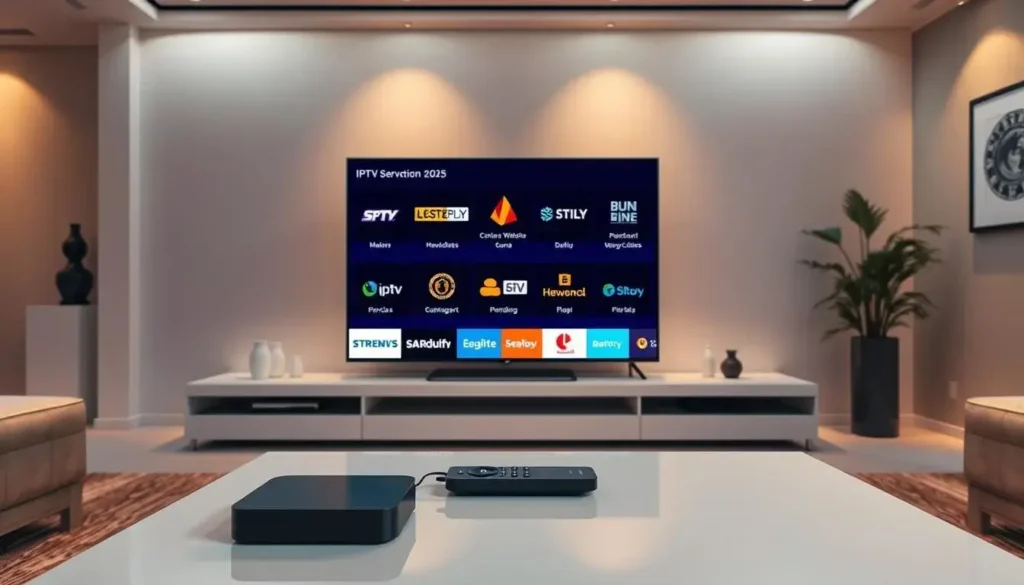
Once the IPTV service is set up, users are greeted by a user interface designed to facilitate ease of navigation and enhance the viewing experience. The interface typically resembles that of traditional digital television, but with additional features distinctive to IPTV technology. First and foremost, the live TV section allows users to browse through channels similarly to that of cable or satellite services. This functionality includes standard features such as channel listings, options to switch channels quickly, and basic program information.
In addition to the live TV options, one of the most appealing aspects of IPTV is the on-demand content. Users can access a variety of shows, movies, and documentaries at their convenience. This section may be categorized into genres or selected based on viewer preferences and trends, providing an organized way to explore available content. Details such as synopses, trailers, and release dates may be provided to assist users in making informed choices.
Furthermore, many IPTV platforms come equipped with advanced functionalities that elevate the viewing experience. For example, recording options allow subscribers to capture their favorite live shows that can be seen later. This feature is often integrated into the user interface, allowing for simple scheduling and management of recorded programs. Another useful feature is the parental controls, enabling parents to restrict access to certain content based on ratings or genres. This lends a level of security and peace of mind when children are using the IPTV services.
Overall, the IPTV interface is designed thoughtfully to optimize user experience. Familiar elements combined with advanced features not only make streaming more enjoyable but also cater to diverse viewing habits and preferences.
Troubleshooting Common IPTV Issues
When utilizing IPTV (Internet Protocol Television) services, users in the United Kingdom may encounter a variety of issues that can disrupt their viewing experience. Understanding these common problems and knowing how to address them is essential for a smooth IPTV operation.
One of the most frequent challenges faced is buffering. Buffering can occur due to inadequate internet speed, network congestion, or other technical limitations. To mitigate this issue, users should first check their broadband connection speed. A minimum of 10 Mbps is often recommended for streaming standard resolution, while HD streaming typically requires at least 20 Mbps. If speed is insufficient, consider upgrading the internet plan or ensuring no other applications are consuming bandwidth during streaming.
Another common issue is connection loss. This can be caused by unstable Wi-Fi connections or temporary outages with the IPTV service provider. To troubleshoot, users should try resetting their router and reconnecting to their IPTV service. If the issue persists, Ethernet connections can provide a more stable and reliable alternative compared to Wi-Fi. Additionally, checking the service provider’s status page or contacting customer support may provide insight on whether there are ongoing service outages.
Login difficulties can also frustrate users accessing their IPTV services. Issues with login credentials, such as expired passwords or incorrect usernames, can prevent successful access. Users should double-check their login information and utilize any password recovery options that the service may offer. In some cases, clearing the application cache or reinstalling the IPTV app can also resolve login issues.
By taking these troubleshooting steps, IPTV users can effectively address common problems such as buffering, connection loss, and login difficulties, facilitating a more enjoyable viewing experience.
Legal Considerations for IPTV in the UK
In recent years, the popularity of Internet Protocol Television (IPTV) has surged in the United Kingdom, offering users a convenient way to access a wide range of television channels and on-demand content. However, with this advancement comes a crucial need to navigate the complex legal landscape that governs IPTV usage. Understanding these legal considerations is essential for consumers and providers alike.
One primary concern involves licensing issues. IPTV services, like any broadcasting service, typically require the appropriate licenses to distribute content. In the UK, the broadcasting content must comply with regulations established by bodies such as Ofcom and the British Broadcasting Corporation (BBC). Legitimate IPTV services often hold the necessary end-user licenses that allow them to stream content legally, ensuring that creators and rights holders are compensated.
Moreover, users should be wary of subscribing to unlicensed IPTV services, which may appear appealing due to their low-cost offerings. These illegal services not only violate copyright laws but can also expose users to significant legal risks, including potential penalties. Engaging with unlicensed services may lead to civil lawsuits from content providers or sanctions from regulatory authorities. Hence, it is imperative to choose IPTV options that adhere to the law to prevent any legal complications.
In addition to licensing, data protection is another critical legal aspect pertinent to IPTV usage. Users must ensure that their personal data is safeguarded, especially when signing up for services that require sensitive information. This necessitates the implementation of robust privacy policies and adherence to regulations under the General Data Protection Regulation (GDPR), which governs how personal data should be handled to protect user privacy in the UK.
In summary, while IPTV presents an exciting opportunity for entertainment consumption in the UK, it is crucial for users to remain informed about the legal frameworks governing its use. Opting for legitimate services that comply with licensing requirements and data protection regulations will enhance the viewing experience while minimizing legal risks. https://wa.me/message/DRDVXQBU2D6DA1
The Future of IPTV in the UK: Trends and Predictions
The landscape of IPTV in the United Kingdom is evolving rapidly, driven by technological advancements and shifting viewer preferences. As more consumers turn to internet-based television solutions, IPTV services are poised to become an even more integral part of the entertainment ecosystem. Key trends suggest significant changes in how audiences access and consume content.
One notable trend is the increasing adoption of 5G technology, which promises to deliver faster and more reliable connectivity. This advancement is likely to enhance the IPTV experience by allowing for higher-quality streaming without buffering delays. The seamless experience that 5G enables could lead to a rise in subscribers as consumers seek improved service quality.
Additionally, the shift towards on-demand content is reshaping how IPTV services function. Viewers are increasingly preferring to consume content at their convenience rather than adhering to traditional broadcasting schedules. This trend is leading IPTV providers to invest in user-friendly platforms that offer vast libraries of on-demand content, catering to diverse viewer tastes and preferences.
The rise of smart TVs and connected devices is another crucial factor influencing the future of IPTV. As homes become more digitally integrated, consumers are likely to steer towards services that are compatible with their existing devices. This compatibility will enhance user engagement and retention, leveraging the potential of smart technology in the viewing experience.
Furthermore, the promotion of original content and exclusive programming by IPTV providers is anticipated to become a primary strategy to attract and retain subscribers. As competition intensifies, enhancing content diversity and quality will be essential for staying relevant amidst numerous entertainment options available to UK audiences.
In summary, the future of IPTV in the UK will likely be characterized by technological innovations, shifts in consumer behavior, and a growing emphasis on unique content offerings. As these trends continue to develop, IPTV providers will need to adapt and innovate to meet the evolving demands of viewers, ensuring their services remain competitive in a dynamic entertainment landscape. FAQ