
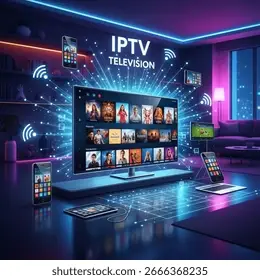
What is an IPTV Set Top Box?
An IPTV set top box (STB) is a device that facilitates the delivery of television content over an internet protocol (IP) network. Unlike traditional cable or satellite systems, which rely on radio signals or fiber optic cables to transmit television programming, IPTV harnesses the power of the internet to deliver a rich array of visual media. This advancement enables users to access a multitude of channels and on-demand content through a broadband connection, providing significant flexibility and convenience. PRICE
Functionally, the IPTV set top box acts as a bridge between the user’s television set and the internet service provider’s content delivery network. Upon receiving digital data packets via a broadband connection, the box decodes these packets into signals that can be displayed on the television screen. The IPTV STB is equipped with various codecs and processing capabilities that allow it to interpret and decode streams of data efficiently, ensuring a smooth viewing experience.
Moreover, IPTV set top boxes typically come with features that enhance usability. Many include a user-friendly interface that simplifies content navigation, support for video on demand (VOD), catch-up TV, and sometimes integration with additional services, such as gaming and internet browsing. Therefore, this device is pivotal in the modern entertainment landscape, distinguishing itself from traditional counterparts by offering interactive and personalized viewing experiences tailored to user preferences.
In summary, an IPTV set top box is not merely a receiver; it is a comprehensive unit that transforms how television content is consumed in the digital age. By bypassing conventional broadcasting methods, it brings forth a new era of television that prioritizes user choice and internet accessibility.
How IPTV Set Top Boxes Work
IPTV set top boxes are integral devices designed to facilitate the streaming of television content over the internet. Unlike traditional cable boxes, which receive broadcast signals, IPTV boxes utilize internet protocol networks to deliver content to viewers. This technology relies on complex processes that involve both hardware and software components working in unison. CONTACT US
At the core of an IPTV set top box is its hardware, which typically includes a processor, memory, storage, and network connectivity components. These elements allow the set top box to decode streams of video data sent from the internet, converting them into viewable television content. The set top box connects to the internet via an Ethernet cable or Wi-Fi, establishing a connection to the content delivery network (CDN) that hosts the television channels and on-demand video services.
The software aspect of IPTV set top boxes encompasses the operating system and user interface that interact with the viewer. This software is specifically designed to handle IPTV protocols, such as the Real-Time Streaming Protocol (RTSP) and Internet Group Management Protocol (IGMP). The intuitive navigation menus allow users to easily browse through available channels, access video on demand (VOD), and utilize various applications offered by their IPTV service provider.
Once a user selects a channel, the set top box requests the corresponding stream of data from the internet. The box then buffers and decodes this stream, enabling instantaneous access to the images and sounds that make up the television program. Live streaming allows for real-time broadcasting, while VOD enables users to access previously aired content, providing flexibility and convenience. Overall, the integration of hardware and software within an IPTV set top box is essential for delivering both high-quality video and a user-friendly viewing experience. PRICE
Types of IPTV Set Top Boxes
IPTV set top boxes serve as crucial devices in receiving and decoding digital signals for IPTV services. There are several types of IPTV set top boxes available on the market, each designed with unique features that cater to various user needs. Understanding these different types can assist users in making an informed decision based on their requirements.
One of the primary categories includes basic IPTV set top boxes. These devices typically offer fundamental functionalities, allowing users to stream content directly from their internet connection. While they may lack advanced features, their simplicity makes them a popular choice for those who seek a straightforward streaming experience without additional frills. Compatibility with various devices may be limited in this category, often sticking to basic connectivity options.
Another classification is the advanced IPTV set top boxes, which include enhanced features such as high-definition (HD) and ultra-high-definition (4K) streaming capabilities. These boxes often come equipped with a user-friendly interface and support for various streaming protocols, making them suitable for users who demand high-quality visuals and a seamless streaming experience. Additionally, many advanced models include options for recording live television, enabling users to capture and save their favorite shows and movies.
Smart IPTV set top boxes represent a further evolution, incorporating smart technology and connectivity options similar to streaming devices. They support apps and services beyond standard IPTV content, enabling users to access streaming platforms such as Netflix or Hulu directly. The integration of digital assistant compatibility also enhances the user experience by allowing voice control features.
In conclusion, understanding the different types of IPTV set top boxes and their unique features helps users identify the right device for their viewing preferences, thus optimizing their IPTV experience.
Benefits of Using an IPTV Set Top Box
IPTV set top boxes have gained significant popularity in recent years as an essential component of modern television viewing. One of the primary benefits of using an IPTV set top box is the broader array of channels available to subscribers. Unlike traditional cable services that may limit the number of channels based on subscription packages, IPTV allows users to access a vast selection of local, national, and international channels. This extensive variety ultimately caters to diverse viewer preferences and interests.
Another advantage of IPTV set top boxes is their ability to provide access to on-demand content. Unlike conventional television that restricts viewers to scheduled programming, IPTV enables users to watch shows, movies, and videos at their convenience. This feature is particularly appealing in today’s fast-paced world, where consumers increasingly favor flexibility in how and when they consume content. The availability of on-demand libraries expands entertainment choices, allowing for a more personalized viewing experience.
In terms of cost-effectiveness, IPTV set top boxes present significant savings compared to traditional cable services. Many IPTV providers offer competitive pricing structures, often with no long-term contracts. As a result, users can enjoy premium content without the hefty monthly fees usually associated with cable subscriptions. Furthermore, the ability to cancel subscriptions at any time provides an added layer of financial flexibility.
Lastly, IPTV set top boxes enable customized viewing experiences. Users can often personalize their channel selections, favorite shows, and even create tailored playlists. This level of customization contributes to overall viewer satisfaction by allowing individuals to curate their entertainment according to their specific tastes. Thus, IPTV set top boxes represent a significant advancement in how audiences engage with television content.
Considerations When Choosing an IPTV Set Top Box
When selecting an IPTV set top box, several factors warrant careful consideration, ensuring that the choice aligns with individual needs and preferences. The first and foremost consideration is compatibility with internet speed. It is crucial to evaluate the internet connection speed since higher-quality video streaming demands higher bandwidth. A box that can handle 4K content, for example, typically requires a minimum of 25 Mbps. Ensuring that the selected IPTV device matches your internet capabilities will enhance the streaming experience and reduce buffering delays. CONTACT US
Another vital aspect to consider is the supported streaming services. Different IPTV set top boxes come with varying levels of support for popular applications such as Netflix, Hulu, or Amazon Prime Video. Choosing a device that fully supports the services you intend to use is imperative. Additionally, some IPTV boxes might have proprietary applications and content libraries, which may or may not be appealing depending on your viewing preferences.
User interface preferences also play a significant role in the selection process. A user-friendly interface can greatly enhance the viewing experience by simplifying navigation and accessibility to content. Some providers offer customizable interfaces that let you tailor your experience, which can be particularly beneficial for families or households with diverse viewing habits.
Lastly, it is prudent to weigh price versus features. While some advanced features such as voice control or extensive storage capabilities can be attractive, they may come at a premium price. Assessing your specific requirements and budget can help strike a balance between desired functionalities and overall cost. By taking these considerations into account, consumers can make an informed decision and select the most suitable IPTV set top box for their needs.
Popular IPTV Set Top Box Brands
The IPTV set top box market has seen tremendous growth in recent years, driven by advances in technology and a growing interest in internet-based television. Several brands have emerged as frontrunners, each offering unique features that cater to varying user needs and preferences.
One of the most dominant players in this industry is Roku. Known for its user-friendly interface and a wide array of streaming options, Roku offers various models such as the Roku Streaming Stick+ and the Roku Ultra. These devices support 4K resolution and provide access to numerous channels, enhancing the viewer’s experience. Roku’s brand reputation is reinforced by overall customer satisfaction, as many users appreciate its ease of setup and comprehensive content library.
An additional contender is Amazon Fire TV. The Fire TV Stick and Fire TV Cube are particularly popular choices among users seeking an integrated experience with Alexa voice control. These devices not only facilitate access to countless streaming services but also support 4K and HDR content, catering to high-definition enthusiasts. Furthermore, Amazon’s continuous updates and expansion of its library ensure a competitive user experience.
Apple TV also deserves mention, appealing primarily to users embedded in the Apple ecosystem. The Apple TV 4K boasts features such as high-quality graphics, seamless integration with iOS devices, and access to Apple’s streaming service, Apple TV+. Its premium pricing often reflects the high-quality performance and broader functionalities it provides, such as gaming and smart home integration.
Lastly, Android TV devices, including those from Nvidia Shield and Xiaomi, provide versatile options for users wanting customization. These boxes allow access to the Google Play Store, providing a wealth of applications, games, and streaming options. This flexibility attracts a tech-savvy cohort willing to explore various capabilities beyond standard viewing.
In conclusion, the IPTV set top box market presents several reputable brands, each distinguished by their flagship products and customer satisfaction. From Roku’s simplicity to Apple’s premium offerings, consumers are ensured ample options catered to their specific viewing preferences.
Setting Up Your IPTV Set Top Box
Setting up your IPTV set top box is a straightforward process that allows you to access a wide variety of television channels and on-demand content through your internet connection. To begin, carefully unbox your device, ensuring you have all the components such as the set top box unit, remote control, power adapter, and necessary cables.
First, connect the IPTV set top box to your television. Most devices will have an HDMI port; thus, using an HDMI cable is recommended. Simply plug one end of the HDMI cable into the port on the set top box and the other end into an available HDMI port on your television. If your TV does not have an HDMI port, you may need to refer to the manufacturer’s guidelines for alternative connection options.
Next, connect the set top box to your internet source. This can usually be done either via an ethernet cable or through Wi-Fi. If you opt for a wired connection, plug one end of the ethernet cable into the box and the other end into your router. For a wireless setup, navigate to the settings menu on your set top box, select your Wi-Fi network, and enter the password as prompted.
Once the physical connections are established, power on the IPTV set top box and your television. Follow the on-screen instructions to complete the initial configuration. This typically involves selecting the language, connecting to the internet, and updating the firmware if necessary. After the initial setup, you will need to install any required applications, which may include streaming services or specific IPTV applications provided by your service provider. This can usually be done through the apps section of the set top box interface.
After you’ve installed your apps, explore the settings to customize your user experience further. Adjust preferences relating to display quality, subtitles, and parental controls if needed. By following these steps, you can ensure a seamless setup and enjoy the full benefits of your IPTV set top box.
Troubleshooting Common Issues
Using IPTV set top boxes can significantly enhance your viewing experience; however, users may occasionally encounter issues that hinder performance. Understanding how to troubleshoot these common problems can help in resolving them effectively. One frequent problem users report is buffering. Buffering can occur due to insufficient network speed. To mitigate this, ensure that your internet connection meets the recommended bandwidth for IPTV services, which is typically at least 10 Mbps for smooth streaming. Additionally, using a wired Ethernet connection instead of Wi-Fi can enhance stability and reduce interruptions.
Another issue users face is connectivity problems. Factors such as network congestion, hardware malfunction, or improperly configured settings can lead to connectivity issues. Start by checking the connections between the IPTV set top box and the television, as well as to the modem/router. Restarting the devices involved in your network can often resolve minor connectivity issues. If problems persist, consider resetting your modem to refresh your network.
Software glitches can also affect the functionality of IPTV set top boxes. Regular updates are essential for the smooth operation of the device. Ensure that your IPTV software is up to date, as older versions may contain bugs that lead to malfunctions. If encountering persistent issues, performing a factory reset on the box can clear temporary data that may be causing conflicts. Be sure to back up any necessary information before doing this, as it will erase all previous settings.
To ensure optimal performance of your IPTV set top box, regular maintenance practices are crucial. Keep the device in a well-ventilated area to prevent overheating, and periodically check the connections and cables for wear. Following these steps can greatly enhance the longevity and effectiveness of your IPTV experience.
The Future of IPTV Set Top Boxes
The landscape of television consumption is rapidly evolving, and IPTV set top boxes are at the forefront of this transformation. As internet speeds continue to improve, the capabilities of these devices will expand significantly, allowing for more seamless viewing experiences. The shift towards higher bandwidth is expected to facilitate advancements in streaming quality, enabling users to access Ultra HD and even 8K content without buffering issues, thereby enhancing viewer satisfaction.
Moreover, the integration of artificial intelligence (AI) and machine learning technologies into IPTV set top boxes stands to revolutionize the way viewers interact with content. For instance, these technologies can learn user preferences, predicting what shows or movies might be of interest and presenting tailored recommendations. This level of personalization is likely to reshape consumer behavior, as viewers may become accustomed to a more hands-off approach to content discovery.
Additionally, the burgeoning trend of smart home integration will further influence the evolution of IPTV set top boxes. As homes become increasingly connected through the Internet of Things (IoT), the ability to control various devices, such as streaming services, home automation tools, and digital assistants, from a single interface becomes pivotal. IPTV set top boxes may evolve into central hubs that not only deliver video content but also manage home entertainment systems, security features, and even energy consumption, making them invaluable to the modern smart home ecosystem.
Furthermore, consumer expectations are shifting towards more interactive and engaging viewing experiences. This could lead to the development of features such as augmented reality (AR) integration and interactive storytelling, allowing for a more immersive content consumption experience. As a result, IPTV set top boxes will not only be devices that stream content but will also become platforms that enhance user engagement through advancements in technology. https://wa.me/447916696718